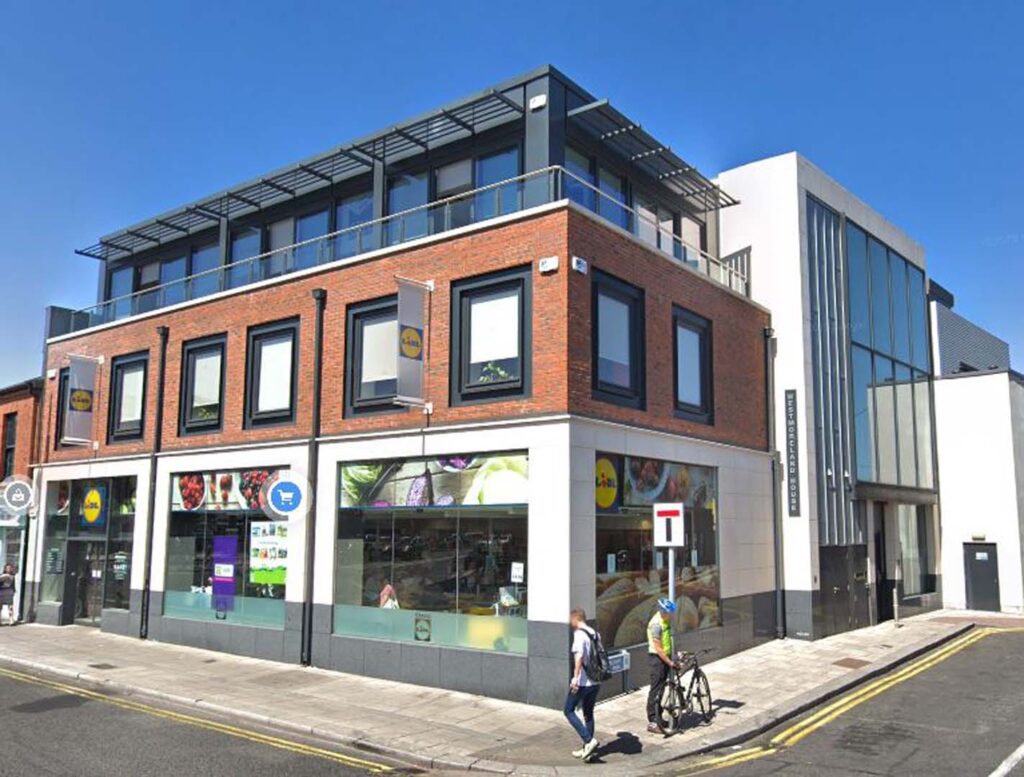
Technical roof-system pages for Toledo low-slope, metal, coating, asphalt, and single-ply commercial roofs.
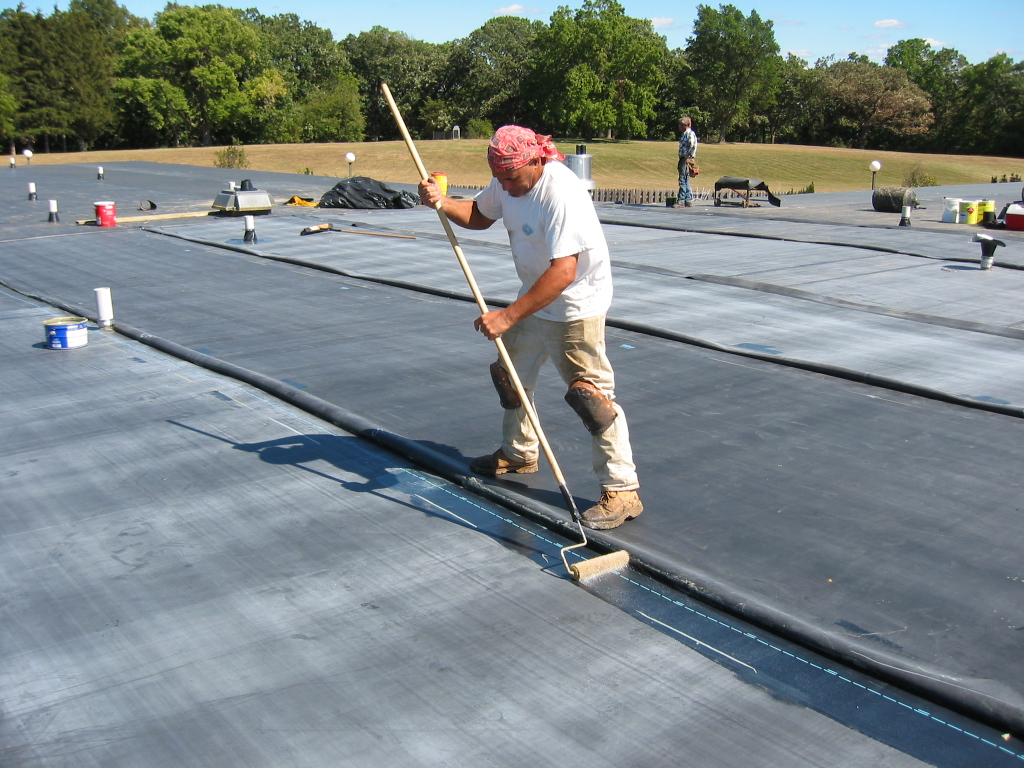
Black EPDM absorbs solar heat, which on a Toledo roof can help shed snow and keep the membrane flexible in deep cold. We weigh that against summer gain and choose ballasted, adhered, or attached based on the building's wind exposure.
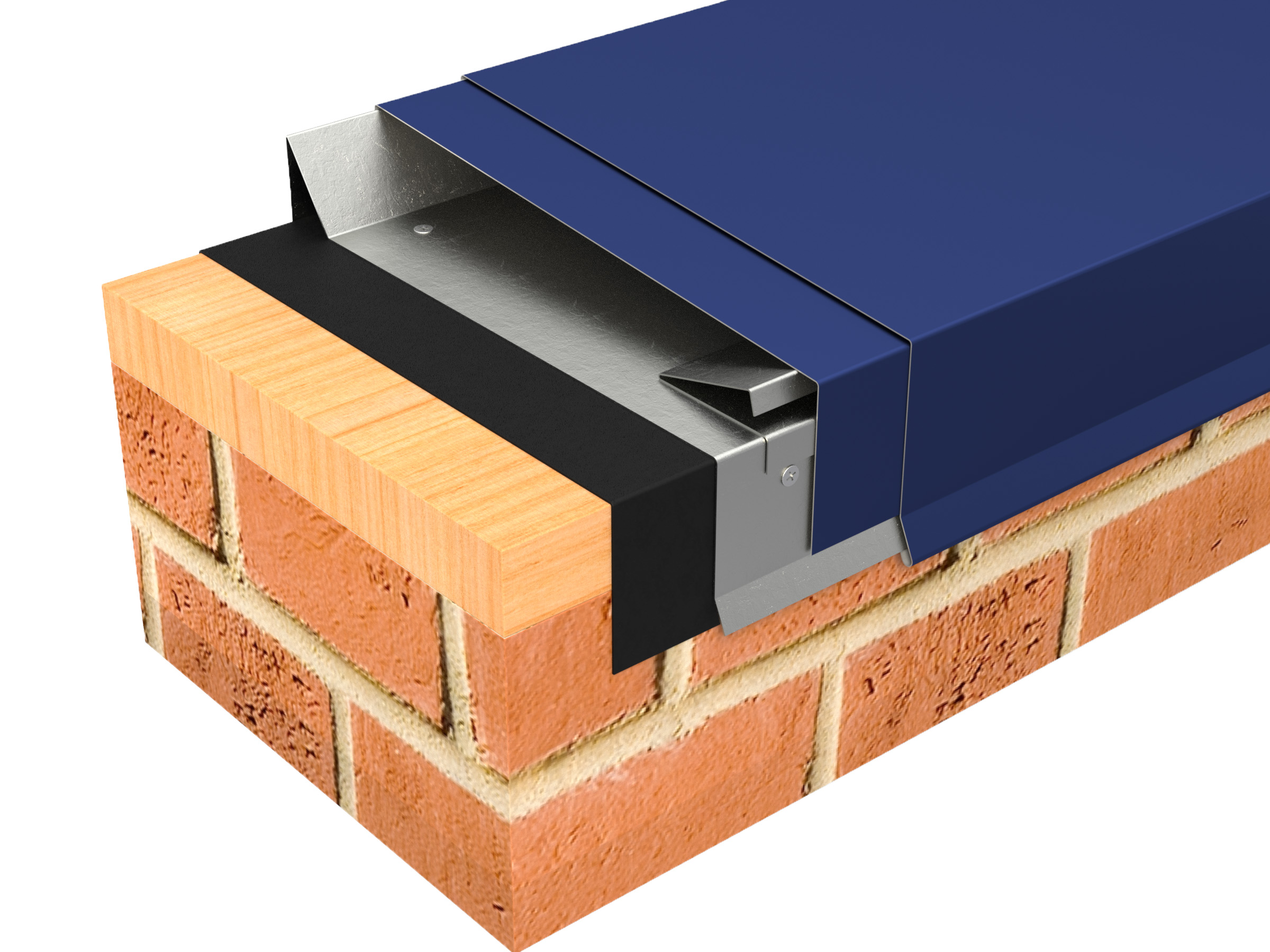
Built-up asphalt remains a durable, redundant choice for Toledo low-slope decks that take heavy foot traffic. We confirm the existing plies are dry and the deck is sound before recommending restoration over a full tear-off.
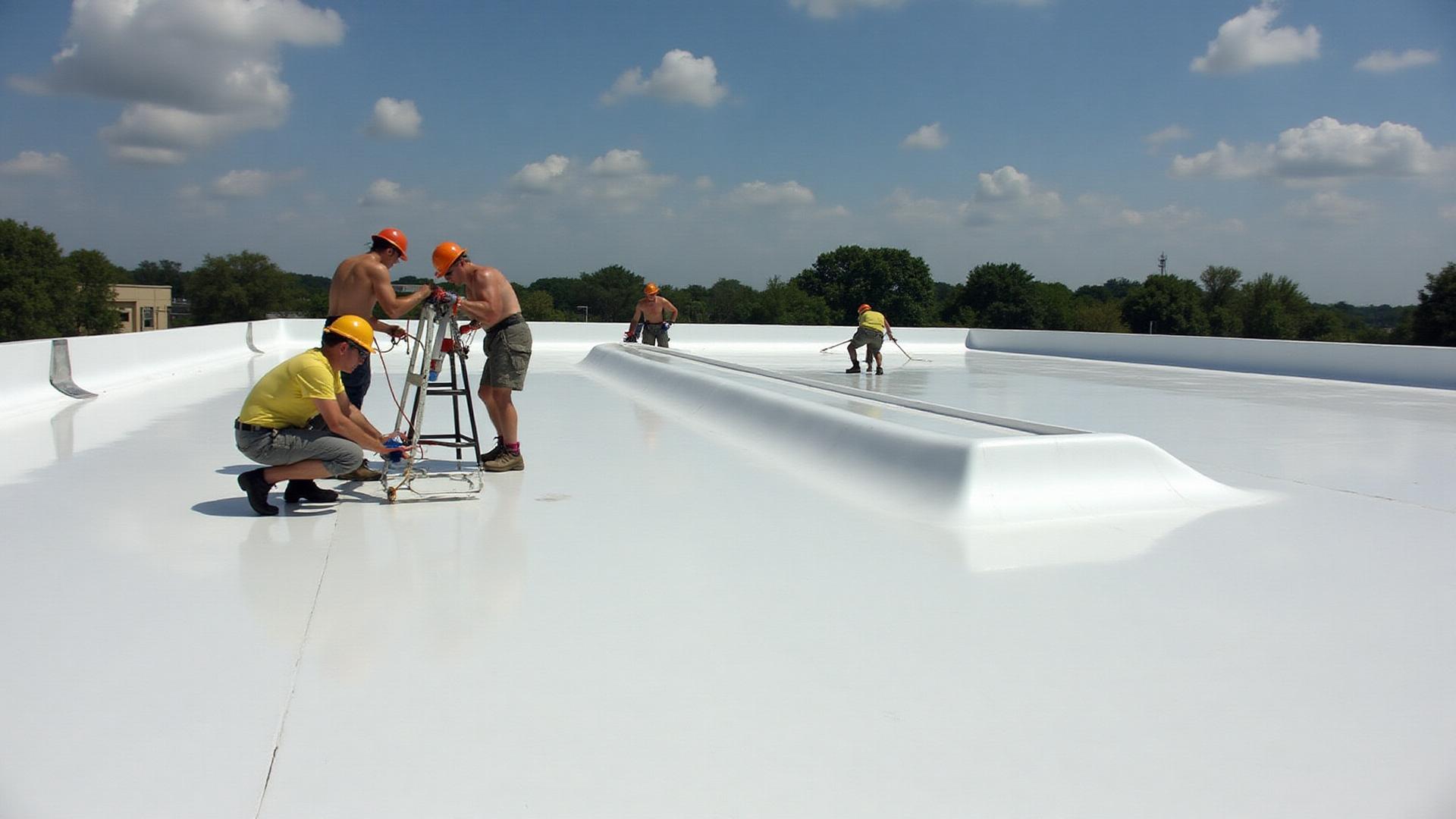
Fleeceback TPO bonds to a fleece backing that adds puncture resistance and lets it adhere over slightly irregular Toledo decks. We use it where rooftop traffic or an uneven substrate would challenge a standard smooth-back sheet.
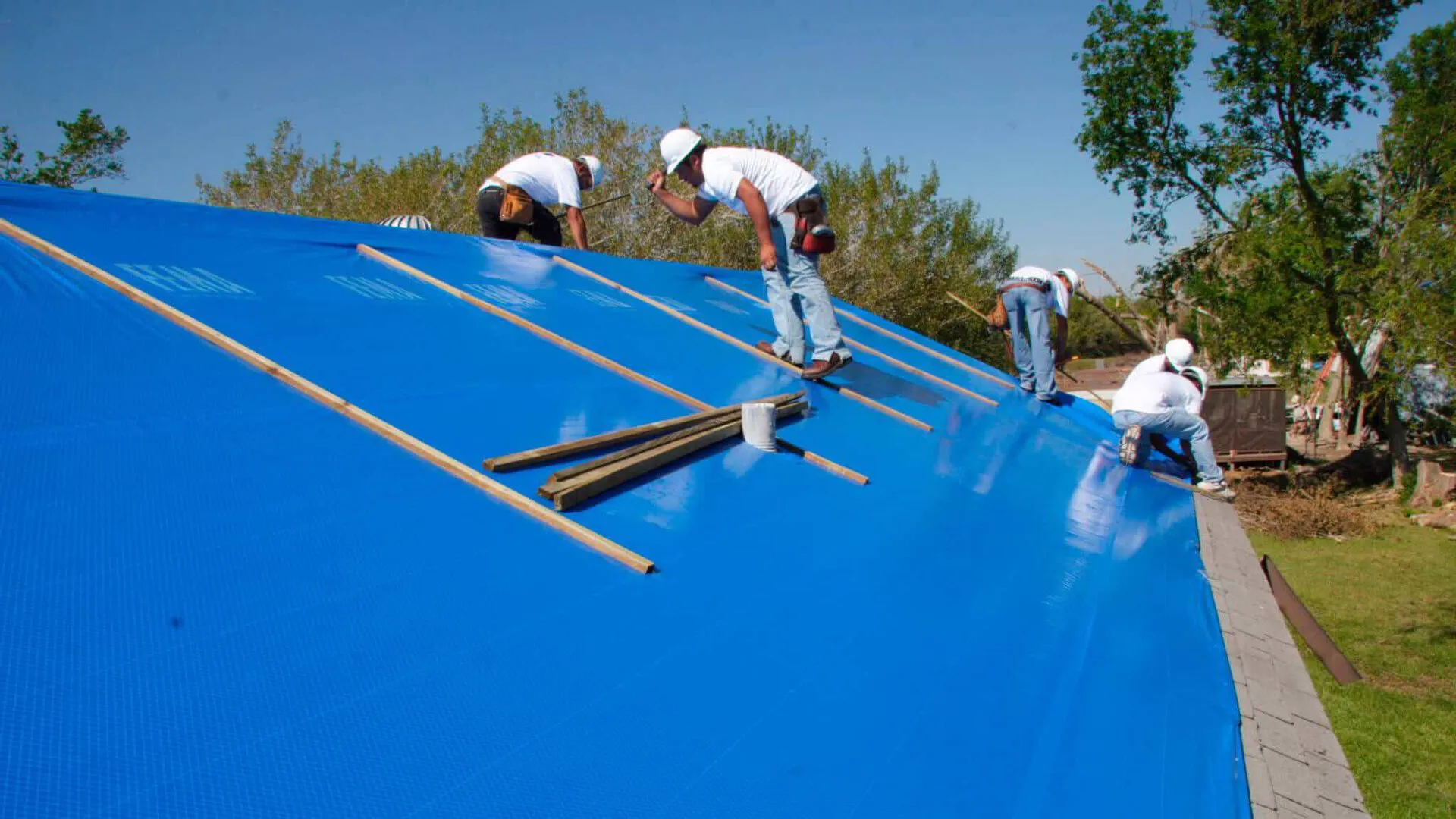
KEE membranes keep their plasticizers far longer than ordinary thermoplastics, holding up against the grease and UV that age Toledo rooftops fast. We specify them where a building's discharge would prematurely embrittle a cheaper single-ply.
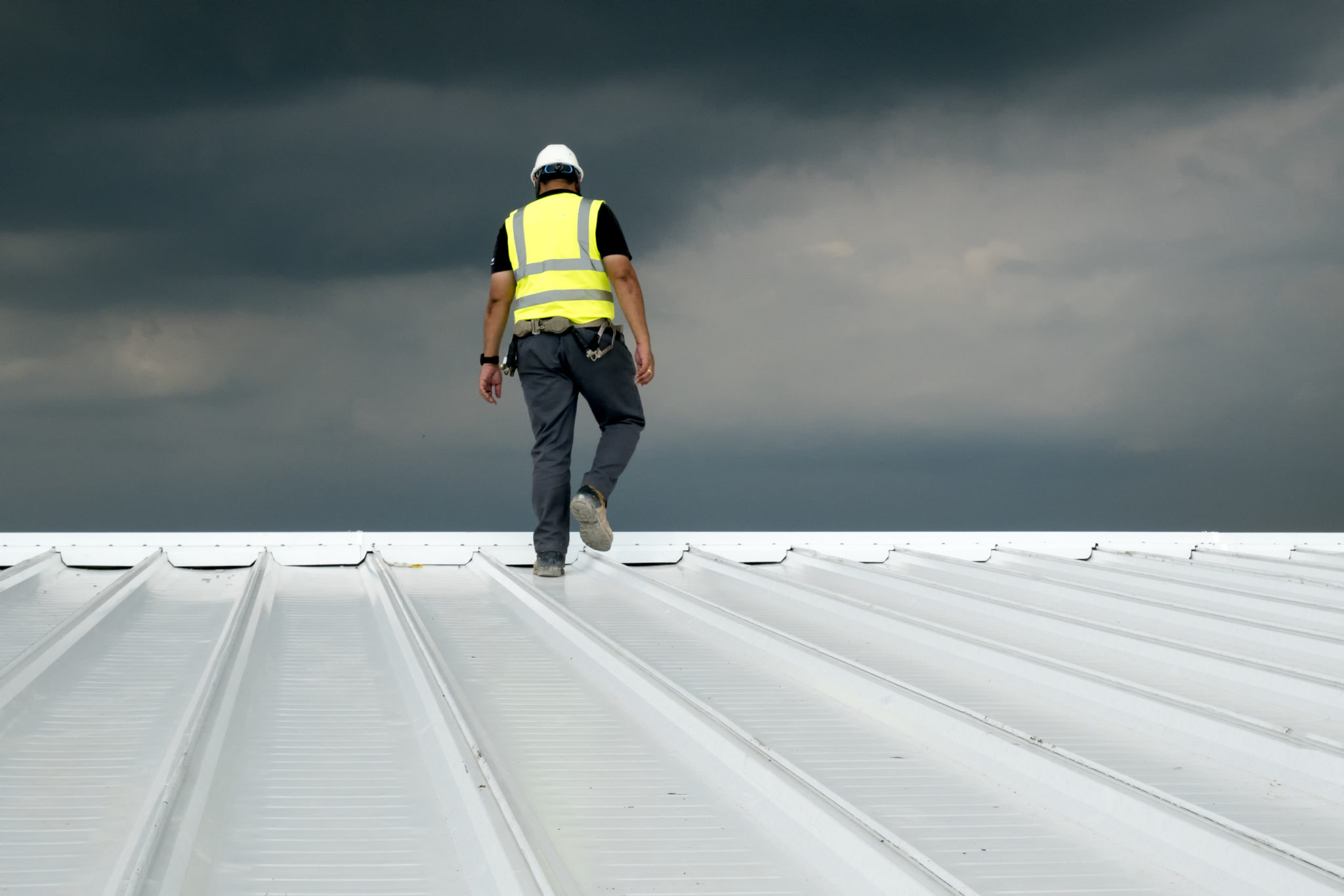
APP modified bitumen is torch- or mop-applied into a tough, heat-stable surface that handles Toledo's UV and foot traffic. We match the system to the deck and to how hard rooftop crews will actually work the membrane.
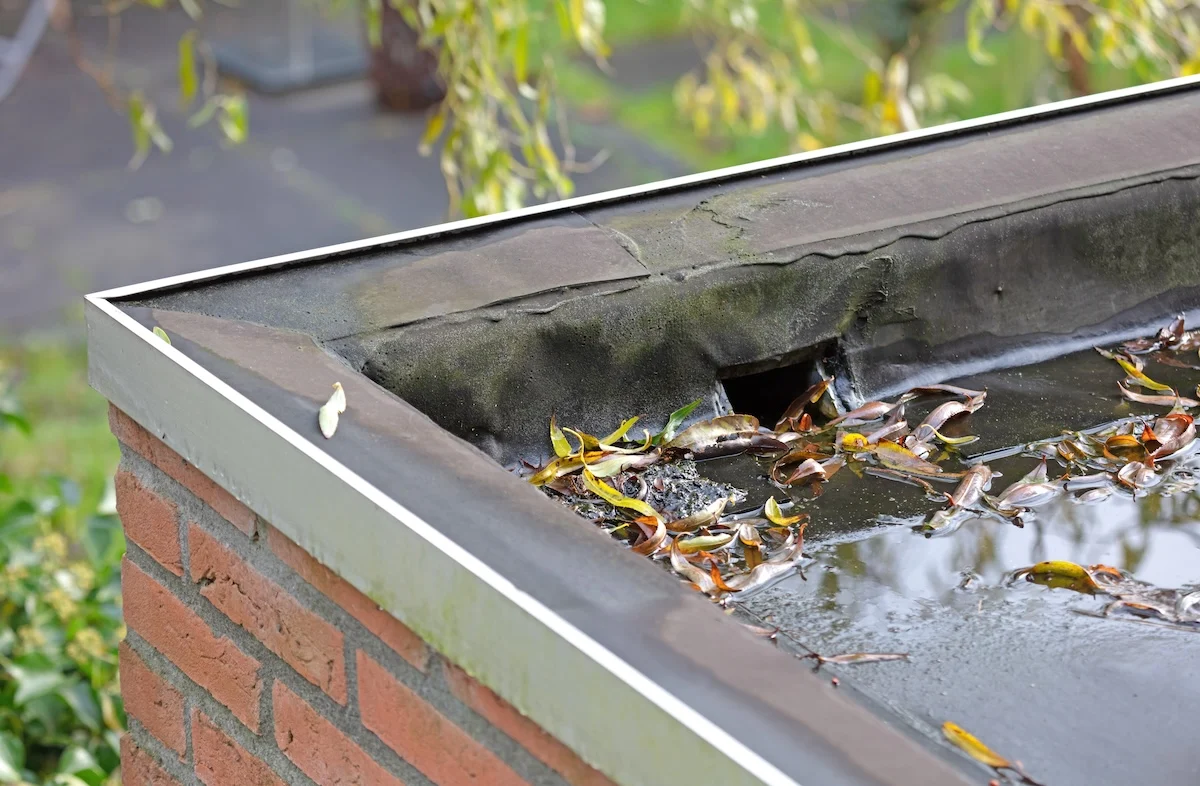
SBS modified bitumen stays flexible in deep cold, which matters when a Toledo roof has to flex through repeated freeze-thaw without cracking. We detail the cap sheet and attachment for the building's exposure and slope.
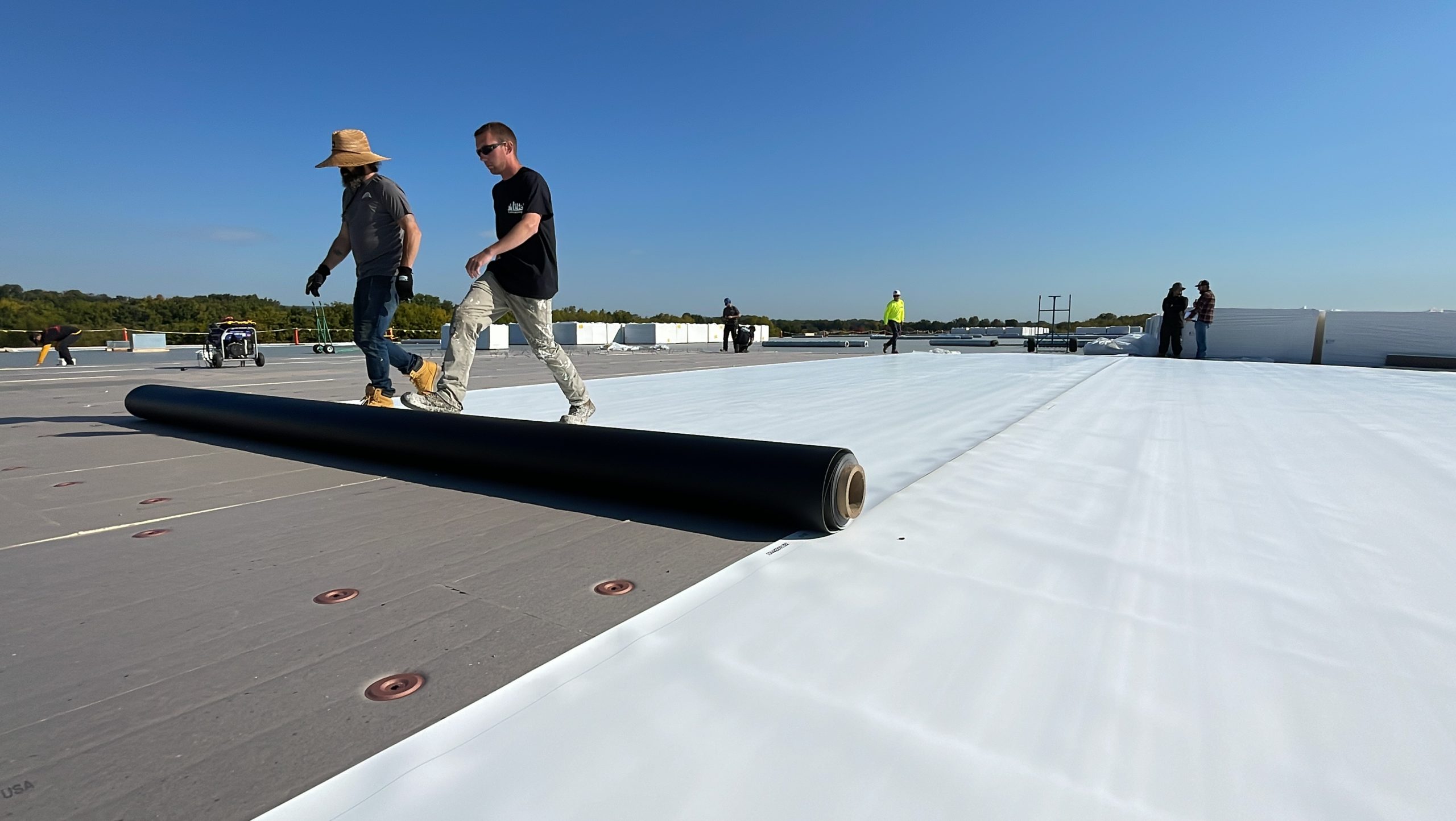
PVC welds into a chemically resistant, monolithic sheet that suits Toledo restaurants, labs, and plants with rooftop discharge. We verify the deck and insulation can carry it before specifying it over an aging assembly.
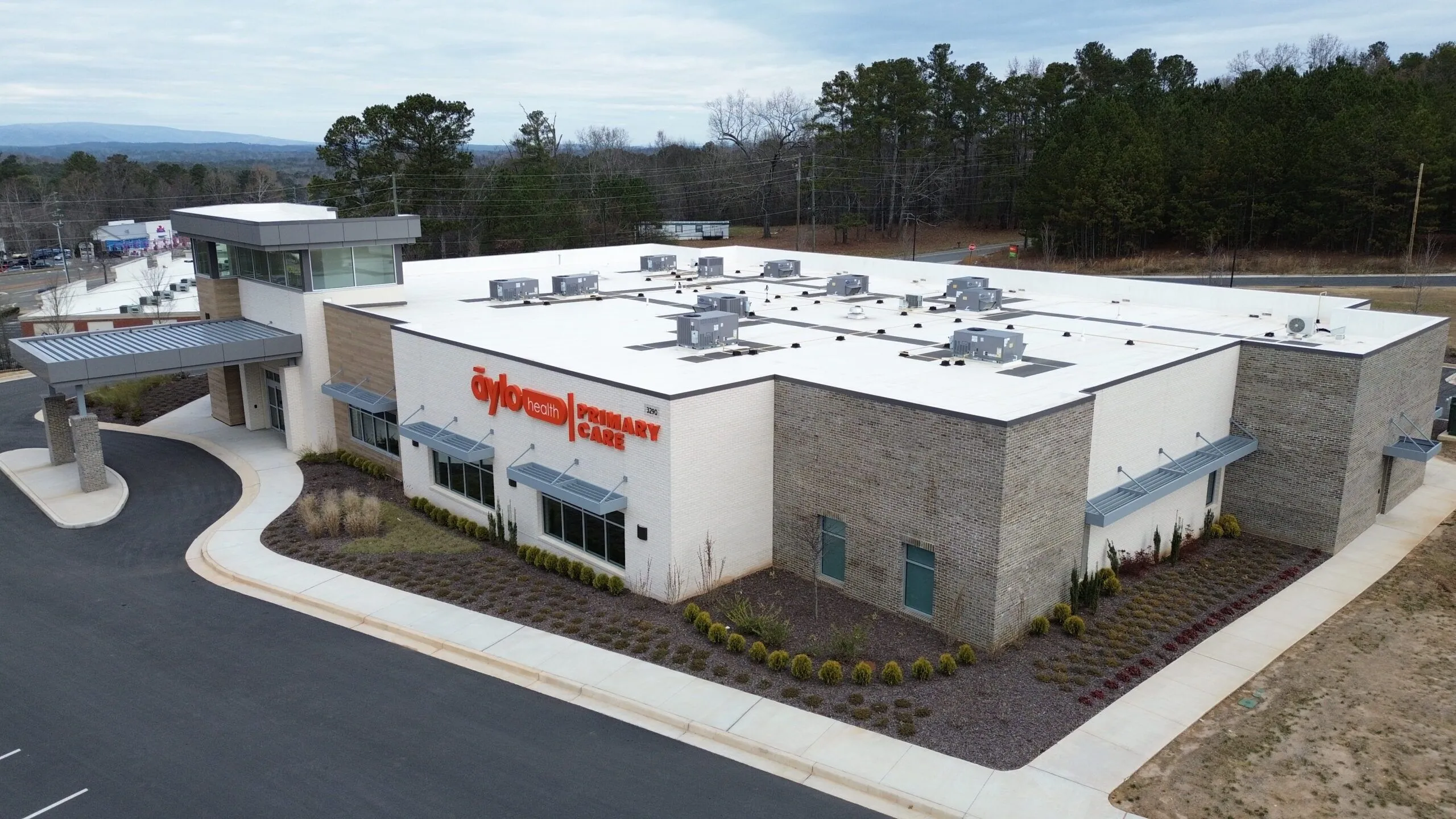
Silicone coatings restore a sound but weathered Toledo membrane and shrug off the ponding water our flat roofs see after a thaw. We moisture-scan and adhesion-test first, because coating over trapped water only hides the failure.
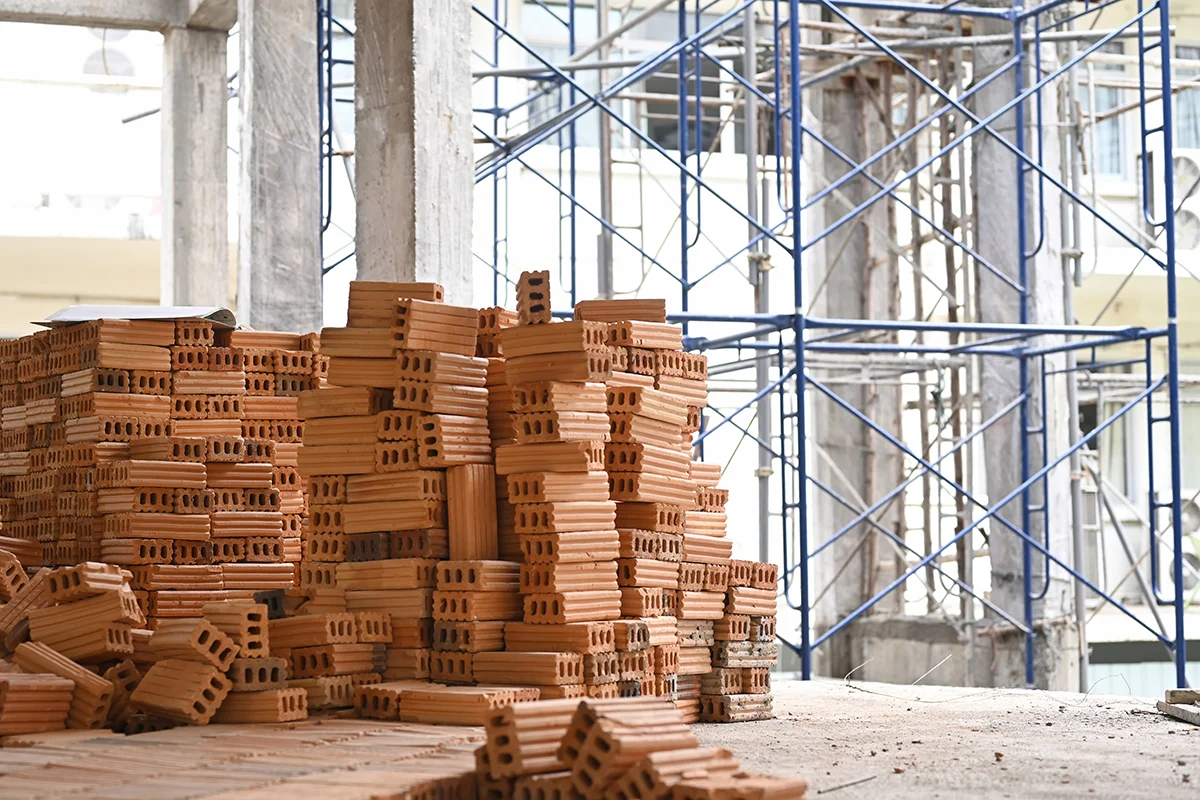
Sprayed foam delivers seamless coverage and strong R-value over irregular Toledo decks, but it depends entirely on dry substrate prep and a protective topcoat. We confirm conditions are right before the first pass goes down.
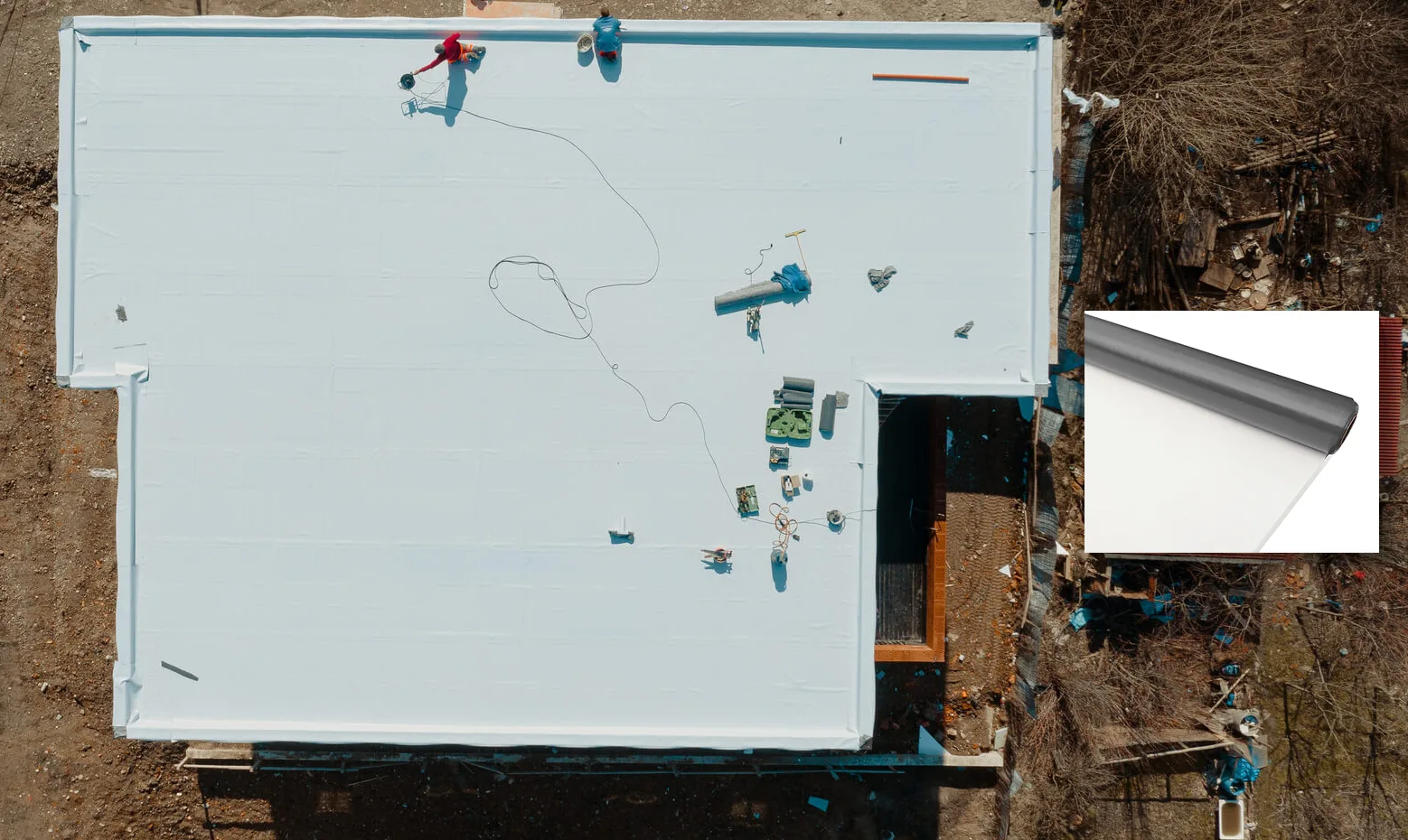
Sixty-mil TPO is the reflective workhorse on many Toledo warehouses and retail boxes, balancing cost against durability. We confirm it suits the building's wind zone and traffic before defaulting to it on a large flat deck.
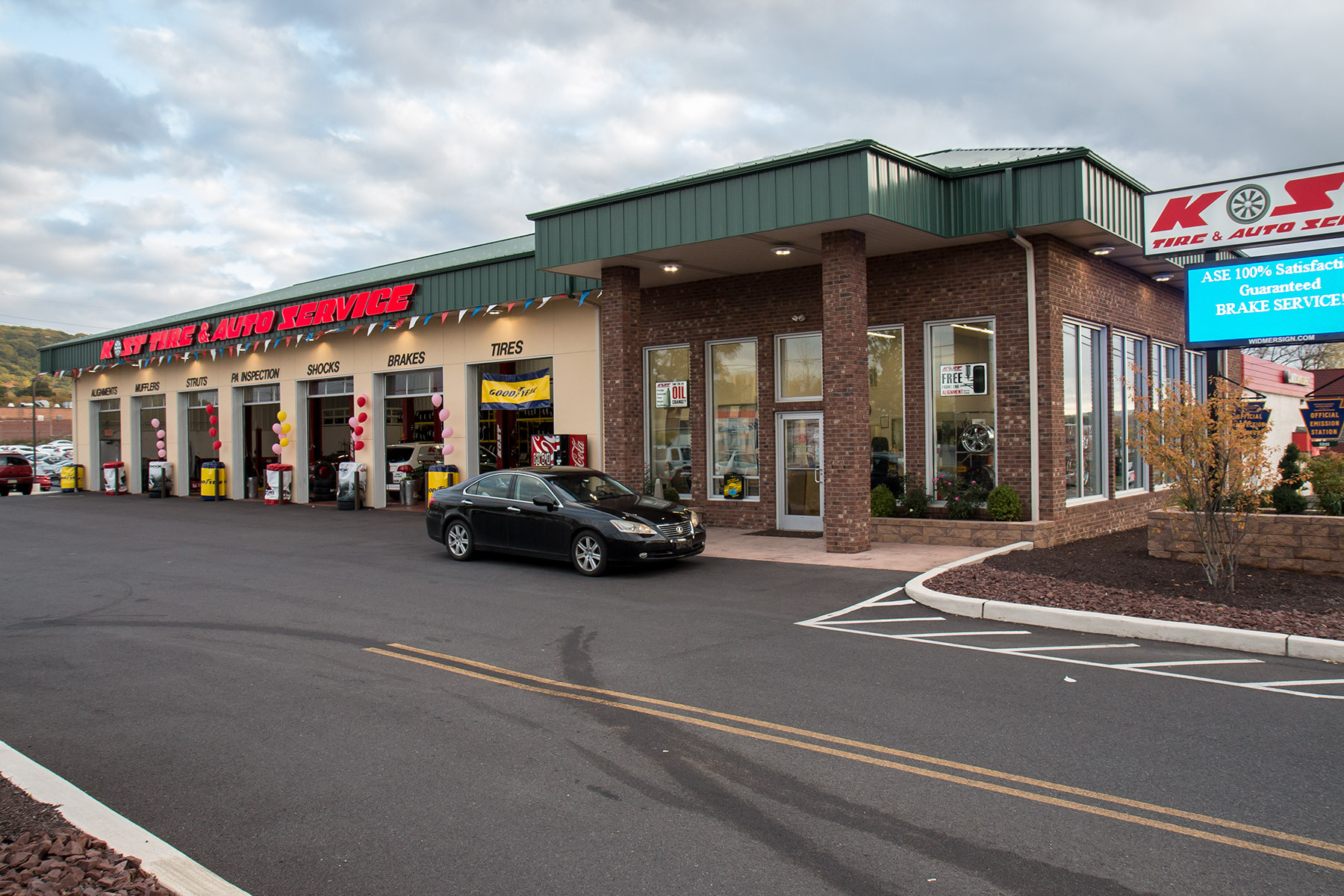
Eighty-mil TPO adds puncture resistance and longer service life for Toledo roofs facing heavy foot traffic or hail. We step up to the thicker sheet where rooftop activity would quickly wear a standard membrane.
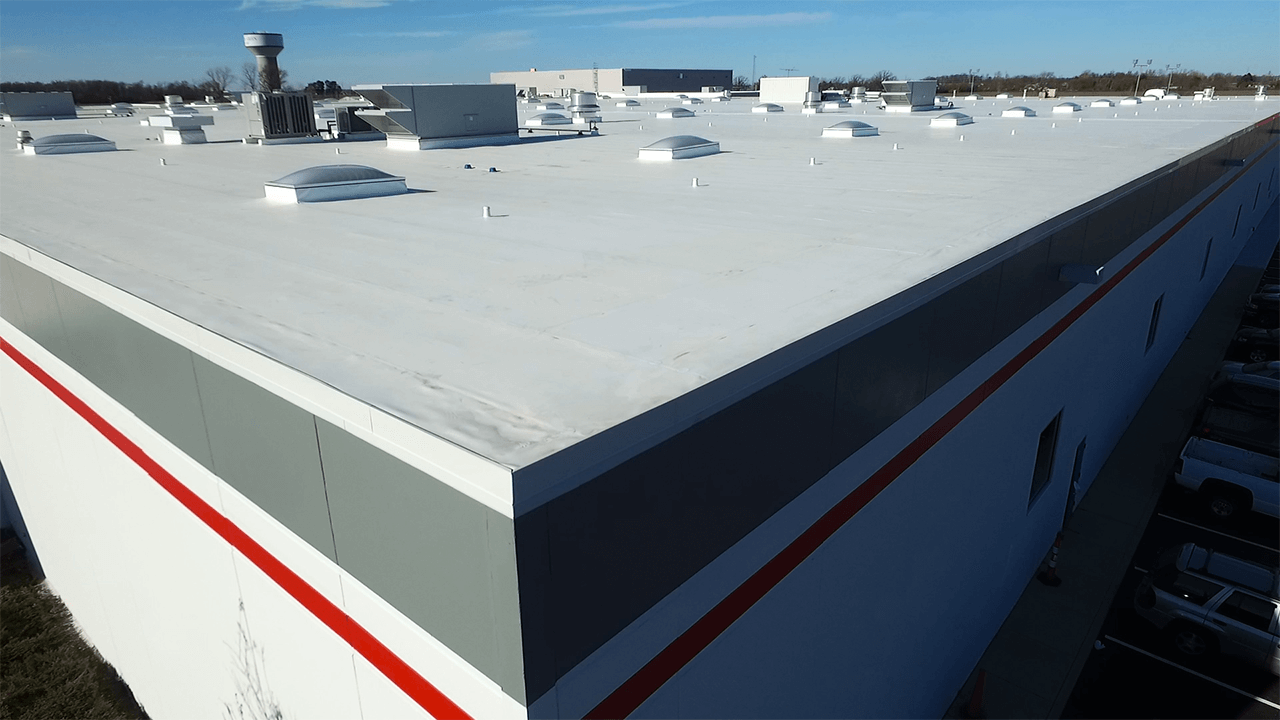
White EPDM pairs rubber's cold-weather flexibility with a reflective surface, a useful combination on Toledo roofs that face both deep winters and hot summers. We weigh it against TPO based on the building's exposure and budget.
We start with the roof condition in front of us: active leaks, membrane age, drainage, penetrations, rooftop equipment, traffic paths, and the timing pressure on the owner.
From there we separate immediate repair work from restoration, coating, replacement, maintenance, or asset-planning decisions so the next step is practical.