Commercial roof damage and repair pages for Toledo leaks, storms, wind, hail, ponding water, freeze-thaw, seams, and flashing.
A leak that shows up in a Toledo ceiling usually entered the roof well away from the stain. We trace it back along seams and flashings to the true entry point instead of sealing the drip and waiting for the next thaw.
When a roof opens up over a working Toledo business, the priority is stopping water before it reaches inventory or tenants. We respond fast with a watertight emergency repair, then scope the permanent fix once the building is dry.
Toledo's relentless freeze-thaw cycle drives water into seams and cracks, then expands it into open splits and lifted flashings. We find the moisture-entry points behind that damage and repair them before the next cold snap widens them.
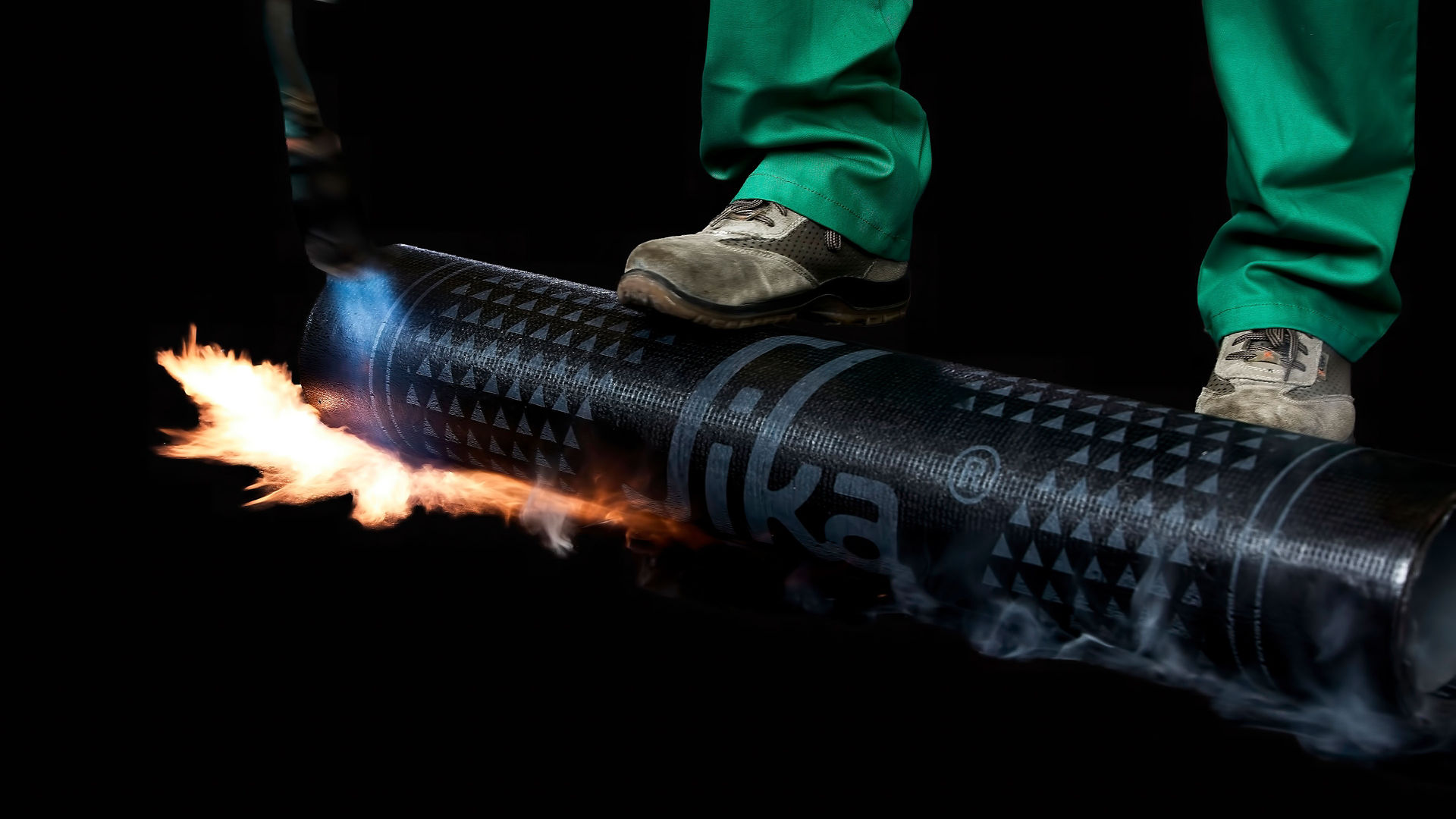
Hail from a Northwest Ohio spring storm can fracture a membrane invisibly, leaving failures that surface months later. We map and document every impact, then repair the bruised areas before water finds the weakened spots.
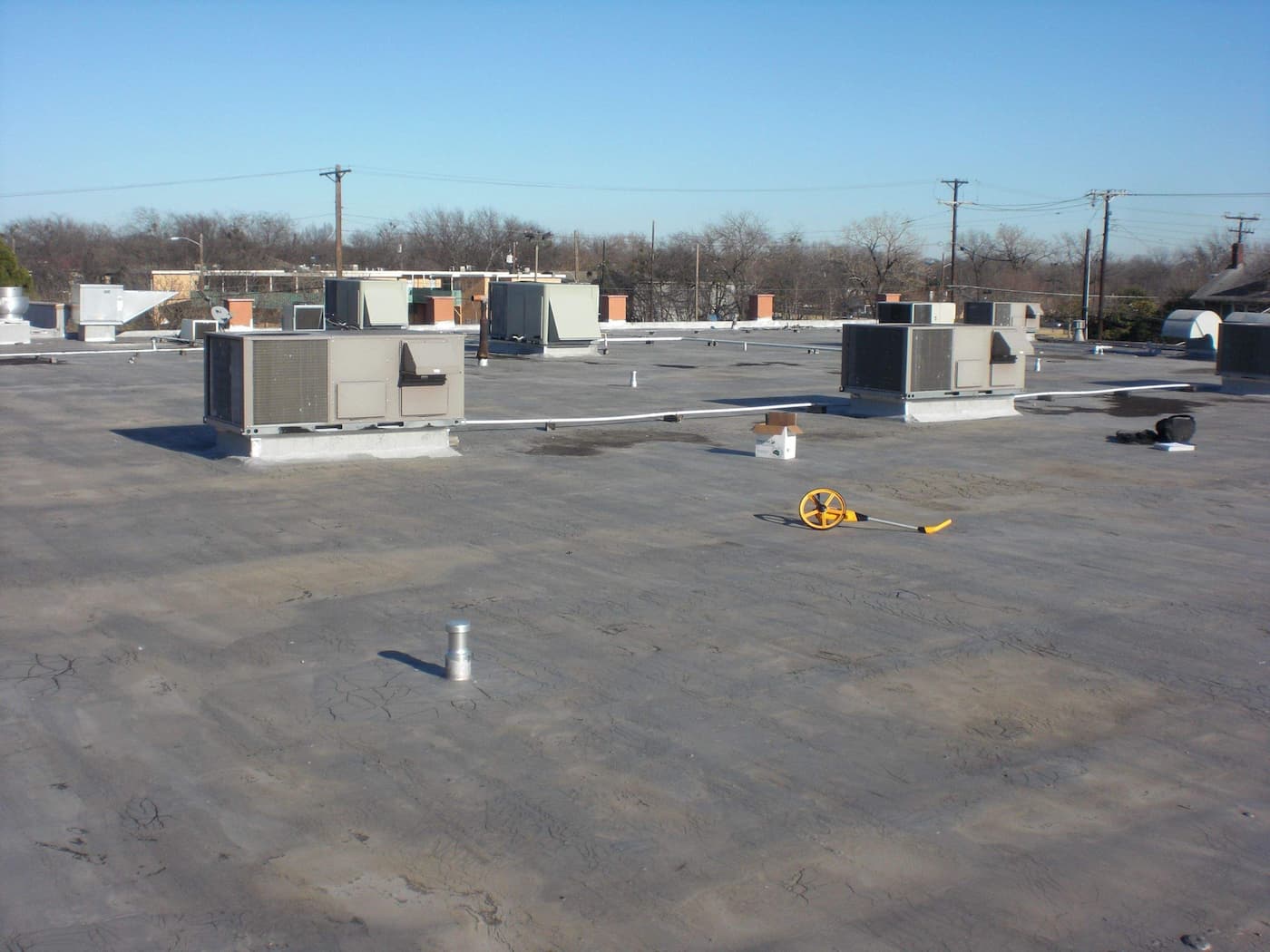
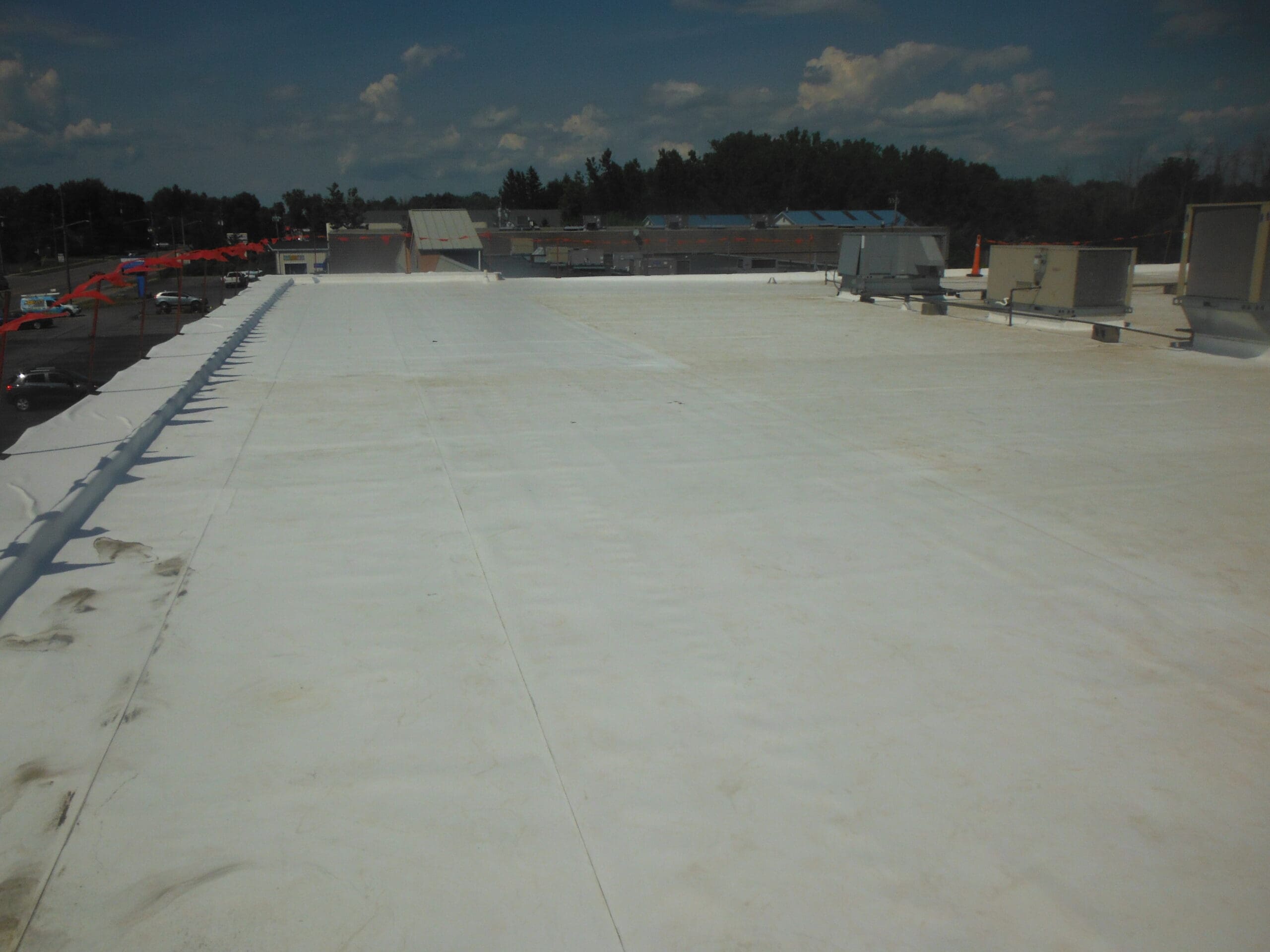
Standing water on a flat Toledo roof after a thaw signals failed slope or a blocked drain, and its weight accelerates membrane breakdown. We correct drainage and add tapered crickets so meltwater leaves instead of pooling at the deck.
Clogged or cracked drains and scuppers are where Toledo's heavy winter runoff backs up and overloads a flat roof. We clear, reseal, and rebuild these outlets so meltwater and storm flow leave the membrane fast.
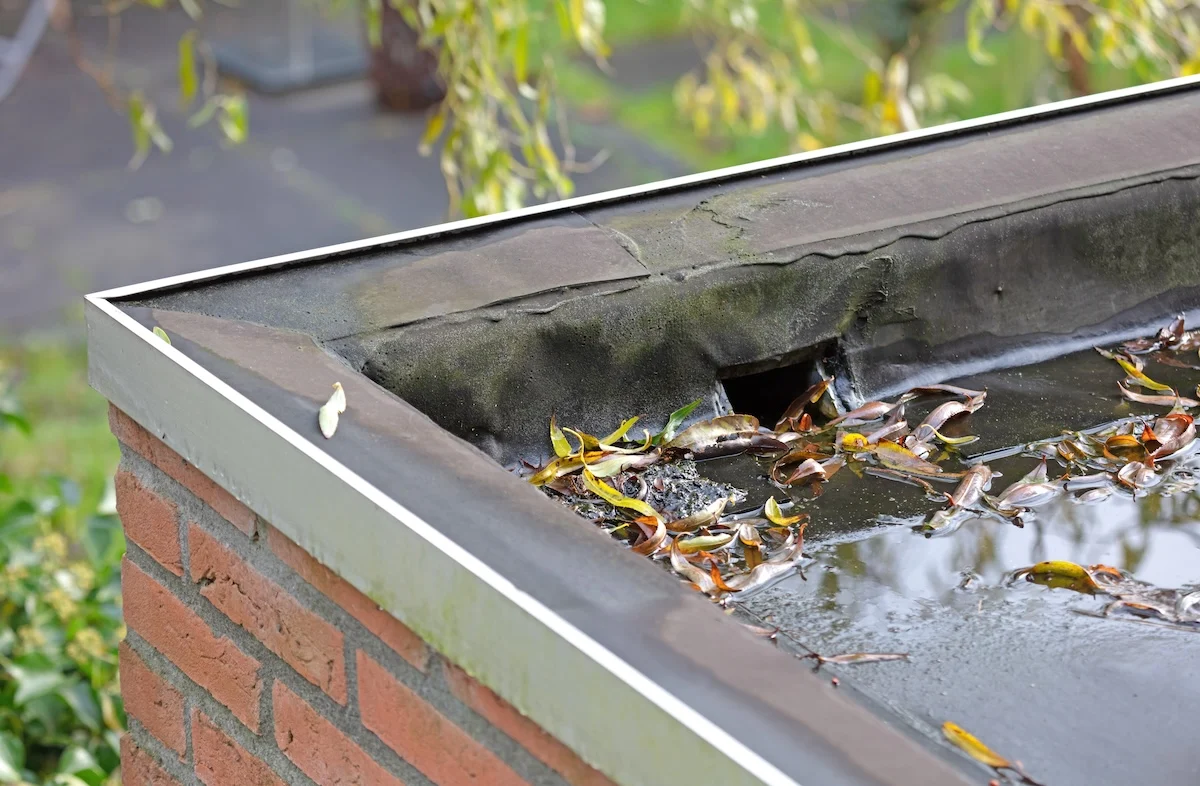
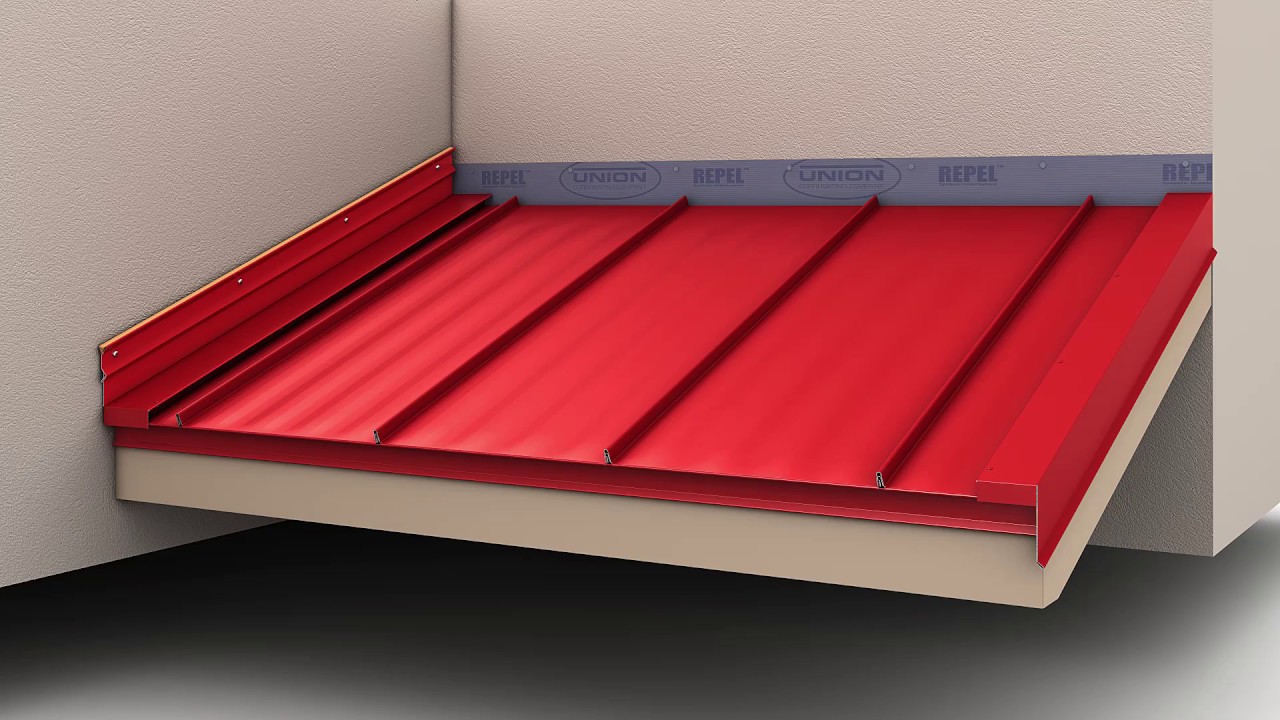
Flashings at walls, curbs, and penetrations are where most Toledo roofs leak first, because they break the membrane's continuity. We rebuild these transitions so wind-driven rain off the lake can't work its way underneath.
A torn membrane on a Toledo roof opens the insulation to water and to winter, and a tear only grows under thermal stress. We patch or replace the damaged section with welded or bonded repairs matched to the existing system.
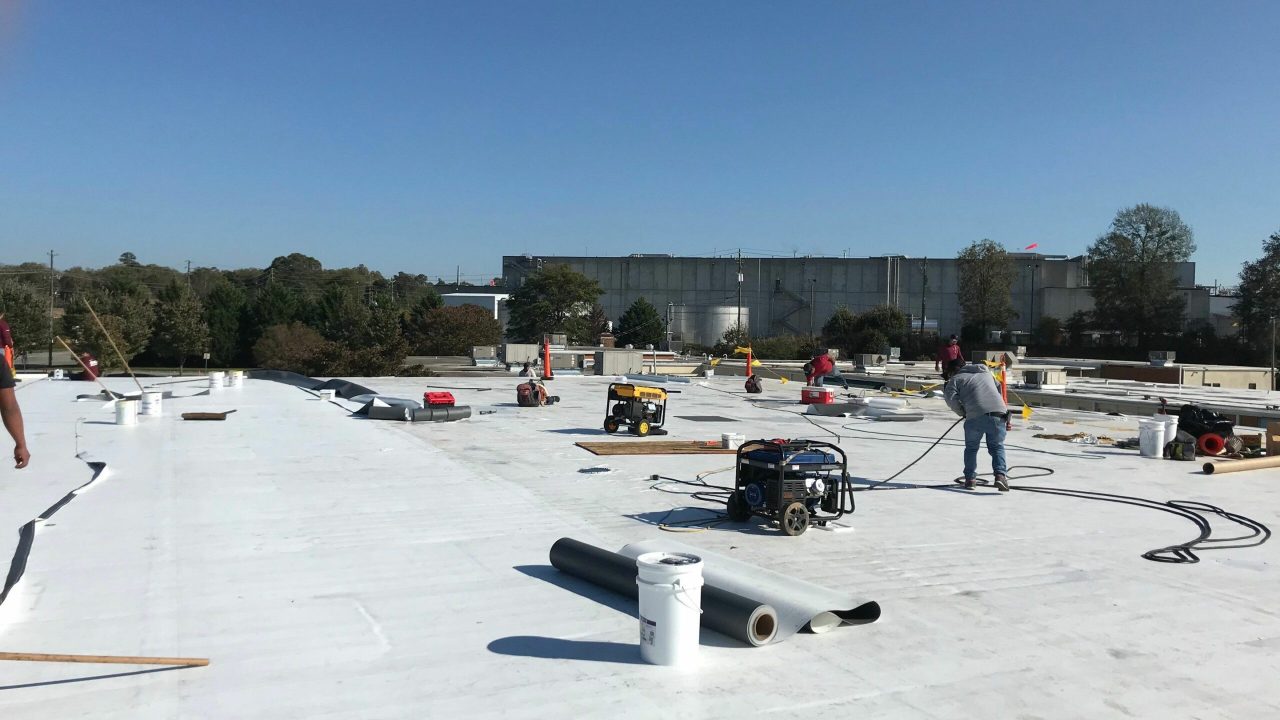
Punctures from dropped tools, foot traffic, or storm debris give Lake Erie weather a direct path into a Toledo roof assembly. We locate every penetration and seal it with a repair compatible with the surrounding membrane.
Open seams are the classic failure point on Toledo single-ply roofs, where age and cold cause welds or adhesive to let go. We re-weld or re-bond the affected laps so the membrane returns to a continuous, watertight sheet.
Lake-effect snow loads and ice dams put real strain on Toledo roofs, backing water up under membranes and overloading drains. We repair the resulting damage and address the drainage and detailing that let the ice build up.
Severe weather rolling across the Maumee Valley batters membranes, edge metal, and flashings in a single afternoon. We assess the full extent, repair what the storm actually damaged, and document the loss so a claim holds up with the carrier.
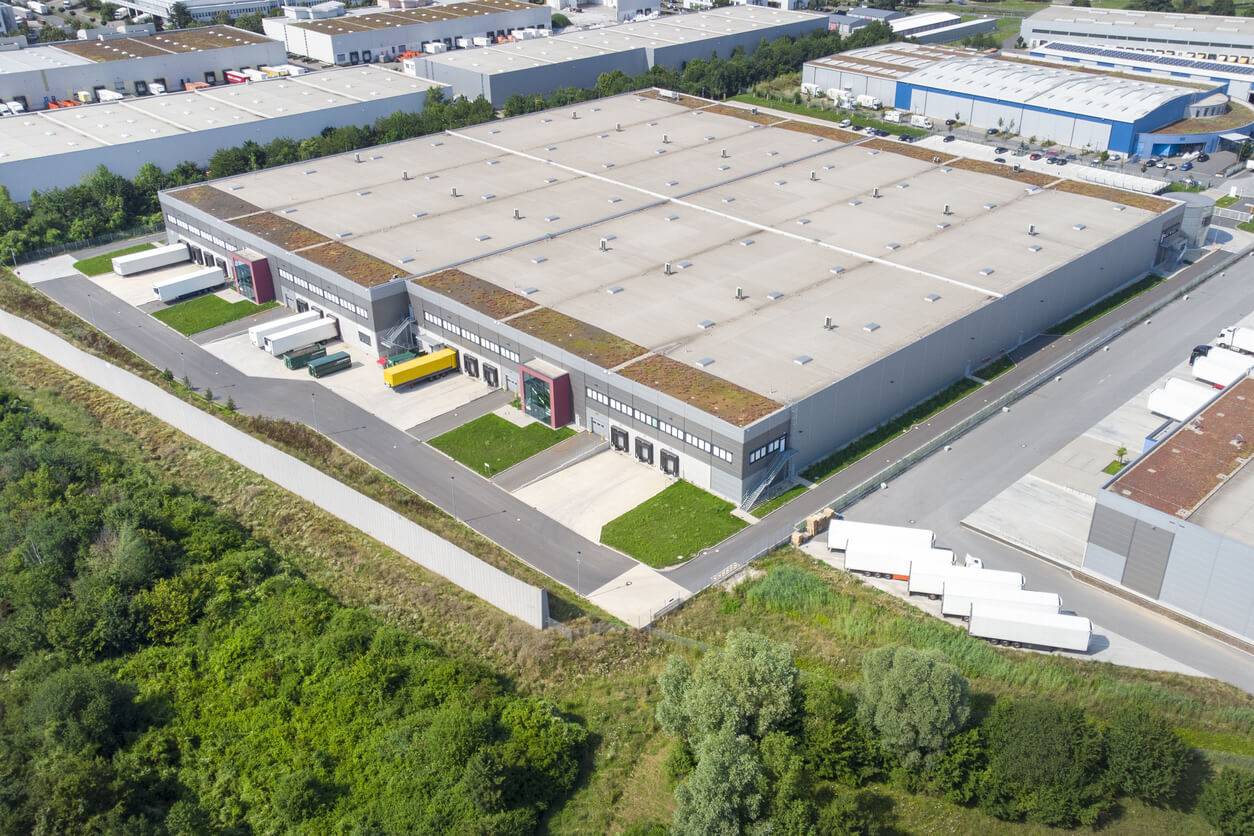
Years of summer UV and heat leave Toledo membranes chalked, shrunken, and brittle at the seams and flashings. We assess how far the degradation has gone and decide whether a restoration coating or replacement is the honest call.
Wind off Lake Erie peels back loose edge metal and lifts membranes from the perimeter inward, where most blow-offs begin. We re-secure terminations and repair the field, detailing the edge to hold against the next gust.
We start with the roof condition in front of us: active leaks, membrane age, drainage, penetrations, rooftop equipment, traffic paths, and the timing pressure on the owner.
From there we separate immediate repair work from restoration, coating, replacement, maintenance, or asset-planning decisions so the next step is practical.